- English
- Italian
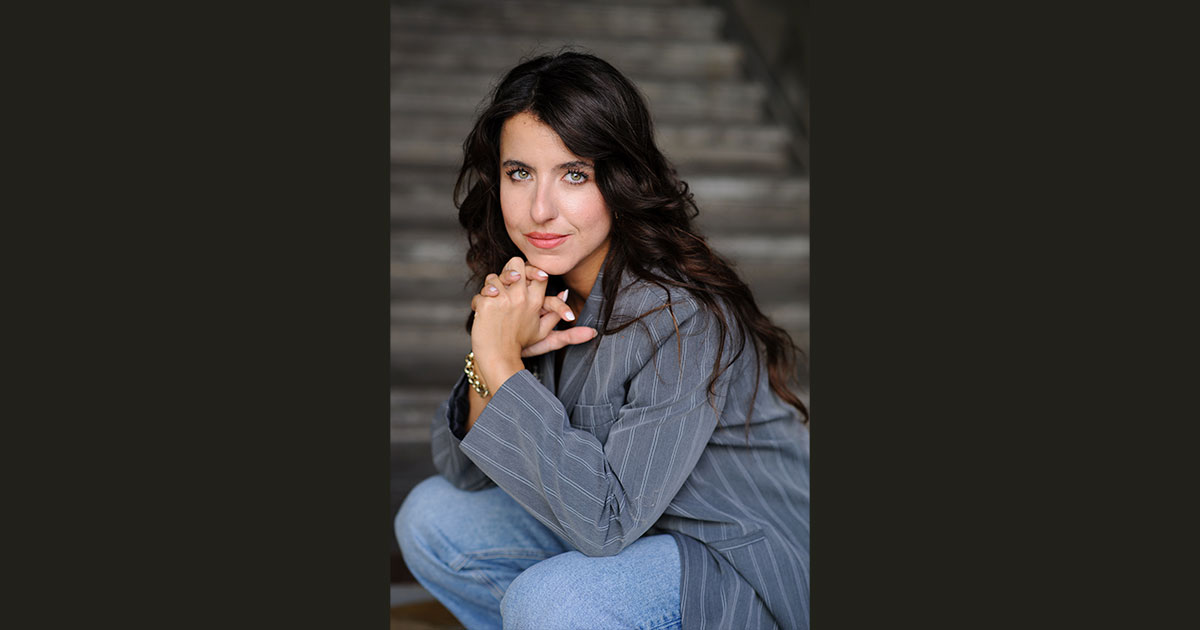
There is something immediately recognizable about Senhit: it’s not just her voice, nor just her aesthetic. It’s a very specific way of being on stage—total, physical, emotional—rooted in theatre and open to an international language.
Her journey starts right there: in musical theatre, with leading roles in major productions such as The Lion King by Walt Disney in Germany, Hair and Fame, all the way to the Italian experience with Massimo Ranieri. A strong stage imprint that, over time, has become a clear artistic signature: performance, presence, storytelling.
After her European experiences came the collaboration with Stadio, touring with them and opening concerts for several artists, including Francesco Renga. From there, a constant evolution, outside the rules, far from labels.
Over time, Senhit has built an increasingly international path, finding in the Eurovision Song Contest her natural space: from her debut with Stand By, to Freaky!, up to Adrenalina, which brought her to the final in 2021.
Today she returns once again to that stage, representing San Marino with Superstar, alongside Boy George.
With Superstar, Senhit delivers a clear message: identity, freedom, authenticity. A song that moves like a true manifesto, capable of speaking to anyone who has ever felt the need to be seen and heard.
But behind that stage strength, there is also a more intimate, fragile, and at times disarming side.
This is where our conversation begins.
If you had to describe Senhit today to the Italian audience in one word, what would it be? Sometimes it feels like in Italy your talent isn’t fully recognized, while abroad you are widely appreciated. What do you think hasn’t been truly understood about you in Italy?
— “I’m someone who doesn’t live by labels. And maybe that creates some difficulty in Italy, because there’s still this idea that you have to be just one thing: either a singer, an actress, or a performer. It’s hard to imagine an artist as a 360-degree figure.
I come from musical theatre, I have a strong stage background, so for me it’s natural to entertain as well as sing. I sing in different languages, even though Italian is my native one. Sometimes I’ve felt a bit ‘uncomfortable’ in that sense. I’ve been offered many opportunities that felt too limiting, like talent shows or certain TV competitions that didn’t fully represent me. I wanted to explore, to open myself to an international path.
I’ve also been lucky, because I had the support of Panini, which is quite unique—they produce football stickers—but they chose to invest in music, allowing me to work a lot abroad. If I had to choose one word, I’d say ‘eclectic’. That’s how I see myself, because it reflects who I am in life: curious, observant, always exploring. And I bring that into my music.
Maybe in Italy there’s still some difficulty in embracing newness, what is different. I hope that, also thanks to Eurovision, things can change. I always go back home to Bologna, where my family and friends are. But it’s true: abroad I find it easier to work.”
You’ve collaborated with very different artists, from Stadio to international names, and you’ve opened concerts for artists like Zucchero and Francesco Renga. Your latest collaboration with Boy George: what is it giving you, artistically and personally?
— “They’ve all given me so much, not just artistically but also on a human level. I feel very lucky because I’ve always met wonderful people with great experience.
With Boy George, it all started almost as a game. I had begun working on Superstar even before thinking about Eurovision, and I was looking for someone to help me complete the song, which has a very ’80s mood—a sound I’ve always loved, with strong bass lines and synths.
Through a mutual connection, I reached out to him and immediately found great openness and incredible generosity. He helped me a lot, even in writing the song. We also had a small ‘argument’, because at first he wanted to do just a remix and focus on production, while I wanted him to sing.
In the end, this little gem came out of it, and then we decided to try the Eurovision path… and that’s how everything started.” (she smiles, with a disarmingly sweet expression)
You’re back at Eurovision again: do you still see it as a challenge or does it feel like home now? And what’s different compared to 2021?
— “It feels like home now, absolutely. But I never really experienced it as a competition, not even in 2021.
Maybe because I was coming from almost two years of Covid, stuck at home—I had such a strong desire to sing, to explode on stage. It was a feeling I had inside, but also something I sensed around me—I think of Måneskin, with whom we shared that intense experience.
Today, five years later, I approach it with much more lightness. Eurovision, for those who don’t know it, is a world of its own: a kaleidoscope of colors, cultures, languages. It’s almost a parallel dimension, something incredible.
I realize it every time I take part in the pre-parties, the events leading up to the show. That’s where you truly understand how vast and diverse this universe is. And I feel completely at ease in it. If it were up to me, I’d do Eurovision every year!” (she smiles)
“Of course, it’s also a big commitment. I don’t approach it with a competitive mindset… but I’ll tell you this: in May, I’ll turn into a beast! Because unlike countries like Italy, I have to earn my place in the final.”
Superstar is an anthem of identity and personal freedom. It speaks about feeling like a ‘superstar’ in your own life, regardless of others’ judgment. What are your fragilities, and what was the most difficult moment that changed you?
— “There have been many. We are all superstars, but we are also fragile souls—and I am too.
The difficult moments weren’t so much professional, but personal. Everyone has their own gaps, their own dark moments. But at the same time, I’m a very positive person. I like to see the glass half full. I have a fragile soul, yes, but also a joyful heart.
And while you were asking this question, I realized even more how right my collaboration with Boy George was. For me, he represents a true icon—he was already expressing these concepts back in the ’80s.
I’m really happy, proud of this project. And it impressed me hearing you describe my song: I sing it every day, almost without thinking… but when you hear it from someone else, you truly understand what you’re saying.
And yes, I really like this definition: a manifesto.”
When you step off the stage and the lights go out, who is Senhit really?
— “I’m an extremely shy person. I take the microphone and, apart from the first few seconds before going on stage—when I panic and have a thousand doubts—then I transform.
But as soon as I step off, the adrenaline drops… and I become a very shy little girl again.
And that’s also the beauty of this job: I never hold back on stage, I give everything, sometimes even too much. My heart races, I feel like it could explode. But it’s an exchange—I give and I receive, it becomes something magnetic. The stage is my element, probably because of theatre.
But when the lights go off, I go back to being the Senhit from my neighborhood in Bologna, the one who used to play football with her friends. And I still feel intimidated, because it seems incredible that I get to do this job.
Sometimes I stop and think: “Wow, you’re really doing something beautiful.” I feel very lucky. I do what I love, and I still wake up with enthusiasm every day.
And I think that shows on stage, because I’m very authentic. I find it hard to pretend.”
Do you have plans for a tour?
—“Boy George is finishing his American tour, then in April he’ll return to the UK and we’ll start discussing everything that will happen in Vienna.
He also has a date in Milan, so we’ll see what we can build together.
In the meantime, I’ve received several requests, including from Pride events and others… but we’ll take it step by step.”
Why should the public vote for Superstar at Eurovision?
— “Vote with your heart. Because each of us is a superstar—we just need to bring it out.
We all want to be seen, to be heard, even in our own small world. That’s the meaning of the song: to say ‘look at me, because I am a superstar too.’
I truly hope this message comes across, and we’ll do everything to make it happen.
With Boy George, we’re building a beautiful show: fun, but also very powerful. You’ll see it in May… or at least, we’ll try!” (she smiles)
After listening to her, one thing becomes clear: you are in front of an artist who has built her path without shortcuts, guided by a strong sense of identity and a clear vision of her place on stage. A journey made of choices, consistency, and a freedom that has never been negotiable.
Senhit is not just performance, but vision. Presence, identity, the ability to turn every performance into a story. And Superstar is not just a song: it’s a message about identity, freedom, and the deeply human need to be seen, recognized, and heard.
Senhit chooses to be herself, without adapting to predefined schemes. And it is precisely this authenticity—so evident on stage as in her words—that defines her.
At Eurovision, she will bring all of this: energy, experience, and a self-awareness built over time, between stage and life. Above all, she will bring herself—without filters, with a strength that needs no artifice to reach its audience.
Follow her song Superstar in the first semi-final of the Eurovision Song Contest 2026 on May 12.
I thank Senhit for the time she dedicated to me and her team for organizing the interview.
C’è qualcosa di estremamente riconoscibile in Senhit: non è solo la voce, né solo l’estetica. È un modo preciso di stare sul palco: totale, fisico, emotivo, che affonda le radici nel teatro e si apre a un linguaggio internazionale.
Il suo percorso parte proprio da lì: dai musical, con ruoli da protagonista in produzioni importanti come Il re Leone firmato Walt Disney in Germania, Hair e Fame, fino all’esperienza italiana con Massimo Ranieri. Un’impronta scenica forte, che negli anni si è trasformata in una cifra stilistica precisa: performance, presenza, racconto.
Dopo le esperienze europee arriva anche l’incontro con gli Stadio, con cui va in tournée, e le aperture ai concerti di diversi artisti, tra cui Francesco Renga. Da lì, un’evoluzione costante, fuori dagli schemi, lontana dalle etichette.
Nel tempo, Senhit costruisce una traiettoria sempre più internazionale, trovando nell’Eurovision
Song Contest il suo spazio naturale: dal debutto con Stand By, passando per Freaky!, fino a Adrenalina, che la porta in finale nel 2021.
Oggi torna ancora una volta su quel palco, rappresentando San Marino con Superstar, insieme a Boy George.
Con Superstar, Senhit porta un messaggio chiaro: identità, libertà, autenticità. Un brano che si muove come un vero e proprio manifesto, capace di parlare a chiunque abbia sentito, almeno una volta, il bisogno di essere visto e ascoltato.
Ma dietro quella forza scenica, c’è anche una dimensione più intima, fragile, a tratti disarmante.
È da qui che parte la nostra conversazione.
Se dovessi descrivere Senhit oggi al pubblico italiano con una sola parola, quale sarebbe? A volte si ha la sensazione che qui non ci si accorga fino in fondo della tua bravura, mentre all’estero — e lo abbiamo visto anche nelle tue ultime performance — sei amatissima. Secondo te, cosa non è stato capito davvero di te in Italia?
— Sono una persona che non vive di etichette. E forse questa cosa in Italia crea un po’ di difficoltà, perché c’è ancora questa idea che tu debba essere per forza una cosa sola: o cantante, o attrice, o interprete. È come se fosse difficile immaginare un artista a 360 gradi. Io arrivo dal musical, ho una grande esperienza teatrale, quindi per me è naturale intrattenere oltre che cantare. Canto in più lingue, anche se la mia lingua madre è l’italiano. A volte ho avuto la sensazione di essere un po’ scomoda. Mi sono state proposte tante situazioni che sentivo strette, come i talent o alcune competizioni televisive che non mi rappresentavano fino in fondo. Io invece avevo voglia di esplorare, di aprirmi a un percorso internazionale. Sono stata anche fortunata, perché ho avuto il supporto di Panini, che è una realtà particolare — fa figurine di calcio — ma ha deciso di investire nella musica, permettendomi di lavorare molto all’estero. Se devo scegliere una parola, direi “eclettica”. Mi piace pensarmi così, perché è quello che sono anche nella vita: una persona curiosa, che osserva, ascolta, esplora. E riesco a portare tutto questo anche nella musica. Forse in Italia si fa ancora un po’ fatica a dare spazio alle novità, a ciò che è diverso. Spero che, anche grazie all’Eurovision, le cose possano cambiare. Io comunque torno sempre a casa, a Bologna, dove ho la mia famiglia e i miei amici. Però è vero: all’estero faccio meno fatica a lavorare.
Nella tua carriera hai collaborato con artisti molto diversi, dai membri degli Stadio fino a collaborazioni internazionali, e hai aperto concerti per Zucchero e Francesco Renga. L’ultima collaborazione con Boy George: cosa ti sta dando, artisticamente e umanamente?
— Sono tutte persone che mi hanno dato tantissimo, non solo dal punto di vista artistico ma anche umano. Mi sento molto fortunata, perché ho sempre incontrato persone davvero deliziose, con una grande esperienza alle spalle.Con Boy George è nato tutto quasi per gioco. Avevo iniziato a lavorare a Superstar ancora prima di pensare all’Eurovision e cercavo qualcuno che mi aiutasse a completare il brano, che ha un mood molto anni ’80 — un suono che ho sempre amato, con bassi e synth molto forti. Attraverso una conoscenza in comune l’ho contattato e ho trovato subito grande disponibilità e una generosità incredibile: mi ha dato una grossa mano anche nella scrittura. Abbiamo anche un po’ “bisticciato”, perché lui inizialmente voleva fare solo un remix e lavorare sulla produzione, mentre io volevo che cantasse. Alla fine è nata questa piccola chicca, e poi abbiamo deciso di provare la carta Eurovision… e da lì è partita tutta la storia» (sorride, con un’espressione disarmante e dolcissima).
All’Eurovision sei di nuovo protagonista: oggi lo vivi ancora come una sfida o ormai è casa? E cosa è cambiato rispetto al 2021?
— Ormai è casa, sì, assolutamente. Ma in realtà non l’ho mai vissuto davvero come una competizione, nemmeno nel 2021. Forse perché arrivavo da quasi due anni di Covid, chiusa in casa: avevo una voglia incredibile di cantare, di esplodere sul palco. Era una sensazione fortissima che sentivo dentro di me, ma che percepivo anche intorno — penso, per esempio, ai Måneskin, con cui abbiamo condiviso quell’esperienza così intensa. Oggi, cinque anni dopo, quando mi è stata proposta di nuovo questa possibilità, l’ho accolta con molta più leggerezza. L’Eurovision, per chi non lo conosce, è davvero un mondo a parte: un caleidoscopio di colori, culture, lingue. È una dimensione quasi parallela, qualcosa di pazzesco. Me ne accorgo ogni volta che partecipo ai pre-party, gli eventi che anticipano la gara: lì capisci davvero quanto sia grande e variegato questo universo. E io, in tutto questo, mi sento completamente a mio agio. Se fosse per me, farei l’Eurovision tutti gli anni!» (sorride)
(Poi aggiunge, con un cambio di tono più deciso:) Certo, è anche un grande impegno, prima e dopo la gara. Non parto con lo spirito della competizione… però te lo dico: a maggio diventerò una iena! Perché, a differenza di altri Paesi come l’Italia, io devo conquistarmi la finale. E farò di tutto per portare San Marino lì.
Superstar è un vero e proprio inno all’identità e alla libertà personale: parla di sentirsi “superstar” nella propria vita, indipendentemente dal giudizio degli altri, quasi un manifesto. Ti cito alcune frasi: “mostra tutte le tue cicatrici”, “fallo per il tuo cuore spezzato”, “mostra esattamente chi sei”, “sei passata attraverso l’inferno e sei tornata”. Nel brano c’è una Senhit forte, sicura, luminosa… ma quali sono le tue fragilità? E qual è stato il momento più difficile che ti ha davvero cambiata?
— Ce ne sono tantissimi. Siamo tutti delle superstar, ma siamo anche anime fragili, e io lo sono. I momenti difficili non sono stati tanto a livello lavorativo, quanto personale, perché ognuno di noi ha le proprie lacune, i propri momenti bui. Però, allo stesso tempo, sono anche una persona molto positiva: mi piace pensare al bicchiere sempre mezzo pieno. Ho un animo fragile, sì, ma anche un cuore allegro. E mentre mi facevi questa domanda, mi rendevo conto ancora di più di quanto sia stata giusta la collaborazione con Boy George. Perché lui, per me, rappresenta davvero un’icona: già negli anni ’80 portava avanti questi stessi concetti, ancora prima che diventassero così centrali oggi. Sono davvero felice, orgogliosa di questo progetto. E mi ha fatto anche impressione sentirti raccontare la mia canzone: io la canto ogni giorno, quasi senza più pensarci… poi la senti attraverso gli altri e capisci davvero cosa stai dicendo. E sì, mi piace molto questa definizione: un manifesto.
Quando scendi dal palco e si spengono le luci, chi è davvero Senhit?
— Sono una persona estremamente timida. Prendo il microfono e, a parte i primi due secondi prima di entrare in scena — in cui ho il panico e mille dubbi, soprattutto tecnici — poi sul palco mi trasformo. Ma appena scendo, l’adrenalina cala, la tensione si scioglie… e divento una cucciolotta timidissima. Ed è anche il bello di questo lavoro: io non sono una persona che si risparmia, sul palco mi do completamente, a volte anche troppo. Ho il cuore che impazzisce, ho davvero paura che esploda per quanta energia ci metto. Ma è uno scambio: io do e ricevo, si crea qualcosa di magnetico. Il palco è il mio elemento, probabilmente grazie al teatro. Poi però, quando si spengono le luci, torno a essere la Senhit del quartiere di Bologna, quella che giocava a calcio con gli amici. E mi sento ancora intimidita, perché mi sembra incredibile avere il privilegio di fare questo lavoro. A volte mi fermo e penso: “Wow, stai facendo davvero qualcosa di bellissimo”. Mi sento molto fortunata, privilegiata. Faccio qualcosa che amo, e ogni mattina mi sveglio ancora con entusiasmo, nonostante siano passati tanti anni e siano cambiate tante dinamiche. Continuo ad appassionarmi, e credo che questa cosa si veda anche sul palco. Perché io sono così: molto autentica e faccio fatica a fingere.
Hai in progetto un tour?
— Boy George sta terminando il tour americano, poi ad aprile tornerà nel Regno Unito e inizieremo a parlare concretamente di tutto quello che succederà a Vienna. Ha anche una data a Milano, quindi vedremo cosa si potrà costruire insieme. Nel frattempo ho ricevuto diverse richieste, anche da alcuni Pride e da vari eventi… ma andiamo con calma, una cosa alla volta.
Perché il pubblico dovrebbe votare Superstar all’Eurovision?
— Votate con il cuore. Votate perché ognuno di noi, dentro di sé, è una superstar: deve solo riuscire a tirarla fuori.Tutti abbiamo il desiderio di essere visti, di essere ascoltati, anche nel nostro piccolo mondo. Ed è proprio questo il senso della canzone: quella voglia di dire “guardami, perché anche io sono una superstar. Spero davvero che questo messaggio arrivi, e faremo di tutto perché arrivi. Con Boy George stiamo costruendo uno spettacolo bellissimo: sarà divertente, ma anche molto potente. Lo vedrete a maggio… o almeno, ci proveremo!» (sorride)
Dopo averla ascoltata, resta una sensazione precisa: quella di trovarsi davanti a un’artista che ha costruito il proprio percorso senza scorciatoie, seguendo un’idea chiara di sé e del proprio modo di stare sul palco. Un percorso fatto di scelte, di coerenza e di una libertà che non è mai stata negoziabile.
Senhit non è solo performance, ma visione. È presenza, identità, capacità di trasformare ogni esibizione in un racconto. E Superstar non è soltanto una canzone: è un messaggio diretto, che parla di identità, libertà e del bisogno — profondamente umano — di essere visti, riconosciuti, ascoltati.
Senhit sceglie di essere se stessa, senza adattarsi a schemi predefiniti. Ed è proprio questa autenticità, così evidente sul palco quanto nelle parole, a restituire un’immagine coerente, mai costruita.
All’Eurovision Song Contest porterà tutto questo: energia, esperienza e una consapevolezza costruita nel tempo, tra palco e vita. Ma soprattutto porterà se stessa, senza filtri, con una forza senza bisogno di artifici per arrivare.
Sostenete il suo brano Superstar nella prima semifinale dell’Eurovision Song Contest 2026 il 12 maggio, perché merita la finalissima.
Ringrazio Senhit per il tempo che mi ha dedicato e il suo team per aver organizzato l’intervista.