- English
- Italian
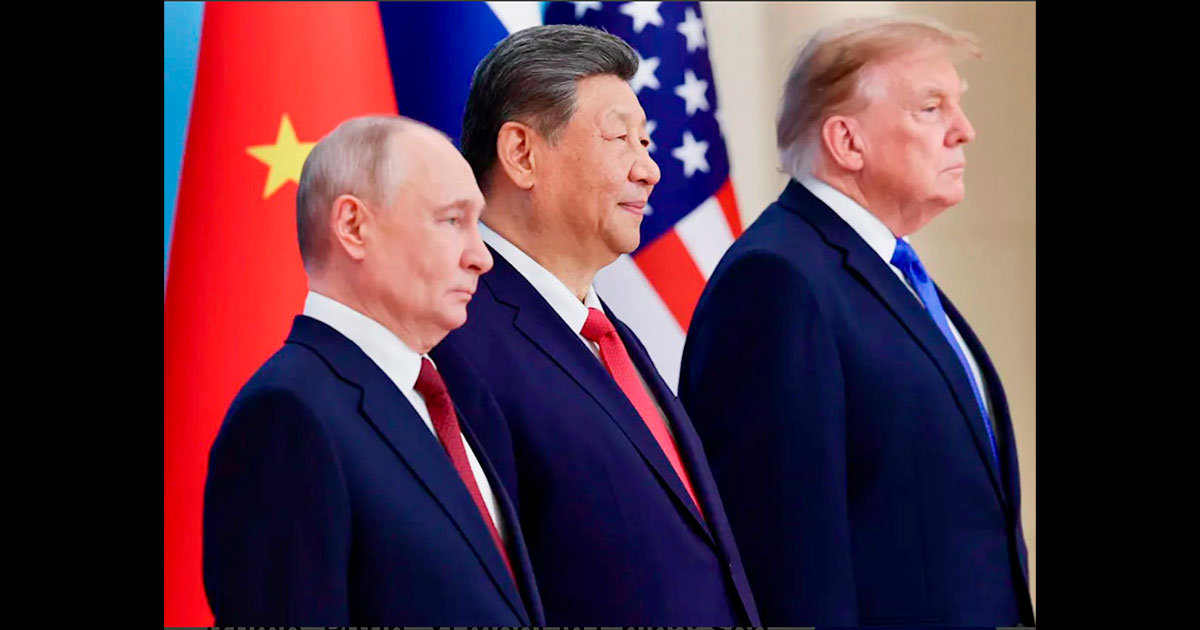
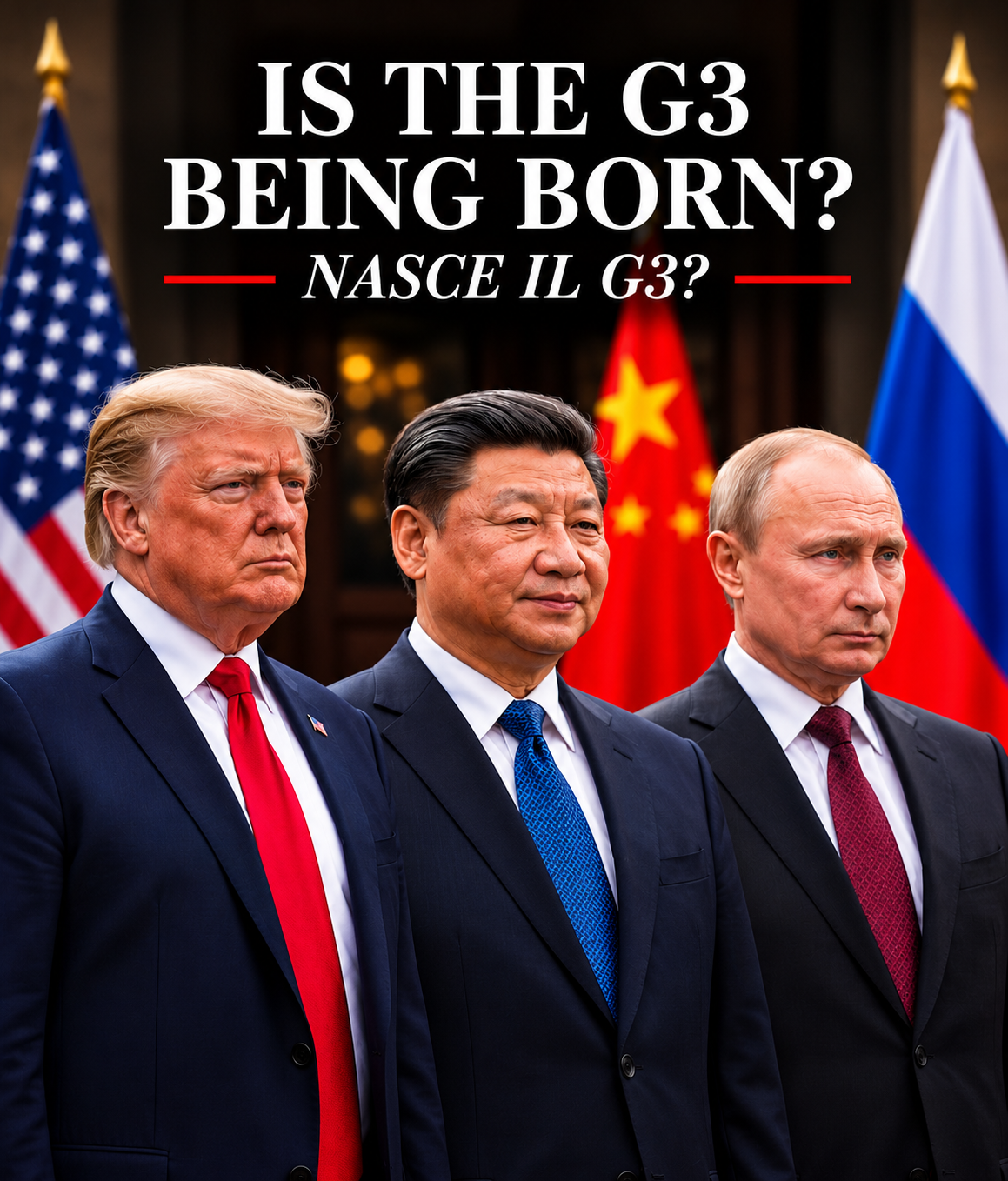
In the city that symbolises China’s economic and technological progress, Xi Jinping hosted a trilateral summit with Donald Trump and Vladimir Putin whose importance cannot be underestimated. To many observers, the meeting seemed like a re-edition of the famous conference held in February 1945 in Yalta.
However, beyond the presence of the leaders of the three major world powers of the moment in both cases, the two events do not appear comparable. In Crimea, Stalin, Roosevelt and Churchill perfected the division of the spoils of Germany, which had begun a few months earlier in Tehran. And the meeting took place while the war against the Third Reich was still being fought.
The Three Greats of Shenzhen, on the other hand, are not engaged in a war that sees them allied against a common enemy, and they do not appear able to divide up the planet. Suggestive though it is, the comparison is therefore not appropriate.
It is instead possible, and even plausible, that a new directorate is taking shape, similar to others already seen in the past. Its purpose would be to favour a coordinated management of the crises that are subjecting the international system and peace to growing tensions.
Its appearance signals the limits of the currently existing multilateral organisations, in particular the UN and the WTO, adding to them an informal forum that should manage both the resurgent East-West rivalry and the trade imbalances that have appeared among the best-performing economies today.
If the G3 works, those who have been excluded from it — in particular Europe, India and Japan — will have no choice but to adapt. But everyone will nevertheless benefit from a more stable and predictable global geopolitical context.
“It is possible, and even plausible, that a new directorate is taking shape.”
Nella città simbolo del progresso economico e tecnologico cinese, Xi Jinping ha ospitato un vertice trilaterale con Donald Trump e Vladimir Putin la cui importanza non può essere sottovalutata. A molti osservatori, l’incontro è parso una riedizione della celebre conferenza svoltasi nel febbraio del 1945 a Jalta.
Tuttavia, al di là della presenza dei leader delle tre maggiori potenze mondiali del momento in entrambi i casi, i due eventi non paiono paragonabili. In Crimea, Stalin, Roosevelt e Churchill perfezionarono la spartizione delle spoglie della Germania che era stata avviata pochi mesi prima a Teheran. E la riunione ebbe luogo mentre si stava ancora combattendo contro il Terzo Reich.
I Tre Grandi di Shenzhen, invece, non sono impegnati in una guerra che li veda coalizzati contro un nemico comune e non paiono in grado di dividersi il pianeta. Seppure suggestivo, pertanto, il paragone non è appropriato.
È invece possibile e persino plausibile che stia prendendo forma un nuovo direttorio, simile ad altri già visti in passato. La sua finalità sarebbe quella di favorire una gestione coordinata delle crisi che stanno sottoponendo a tensioni crescenti il sistema internazionale e la pace.
La sua apparizione segnala i limiti delle organizzazioni multilaterali attualmente esistenti, in particolare dell’ONU e della WTO, aggiungendovi un foro informale che dovrebbe gestire tanto la rinascente rivalità Est-Ovest quanto gli squilibri commerciali apparsi tra le più performanti economie attuali.
Se il G3 funzionerà, a coloro che ne sono stati esclusi — in particolare l’Europa, l’India e il Giappone — non resterà altro che adeguarsi. Ma tutti beneficeranno comunque di un contesto geopolitico globale più stabile e prevedibile.
“È possibile e persino plausibile che stia prendendo forma un nuovo direttorio.”