- English
- Italian
There are cities that live by day and cities that belong to the night. New York has never been one of the former. After the pandemic, the metropolis that “never sleeps” seemed to have lost part of its heartbeat, but today the soul of New York’s nightlife is pulsing stronger than ever—with a new rhythm, more mature and self-aware.
Just a few years ago, Manhattan’s nightlife was synonymous with exclusivity: endless guest lists, unreachable venues, and excessive champagne. Today, the city has rediscovered the value of authenticity. In Brooklyn clubs like House of Yes or Elsewhere, people dance to feel free, not to be seen. On Midtown rooftops like Harriet’s or The Skylark, luxury is no longer about ostentation but shared experience. It’s a more human New York, where music becomes a language again, and the night, a space for expression. As the New York Times wrote, “The new generation doesn’t want to appear—they want to belong.”
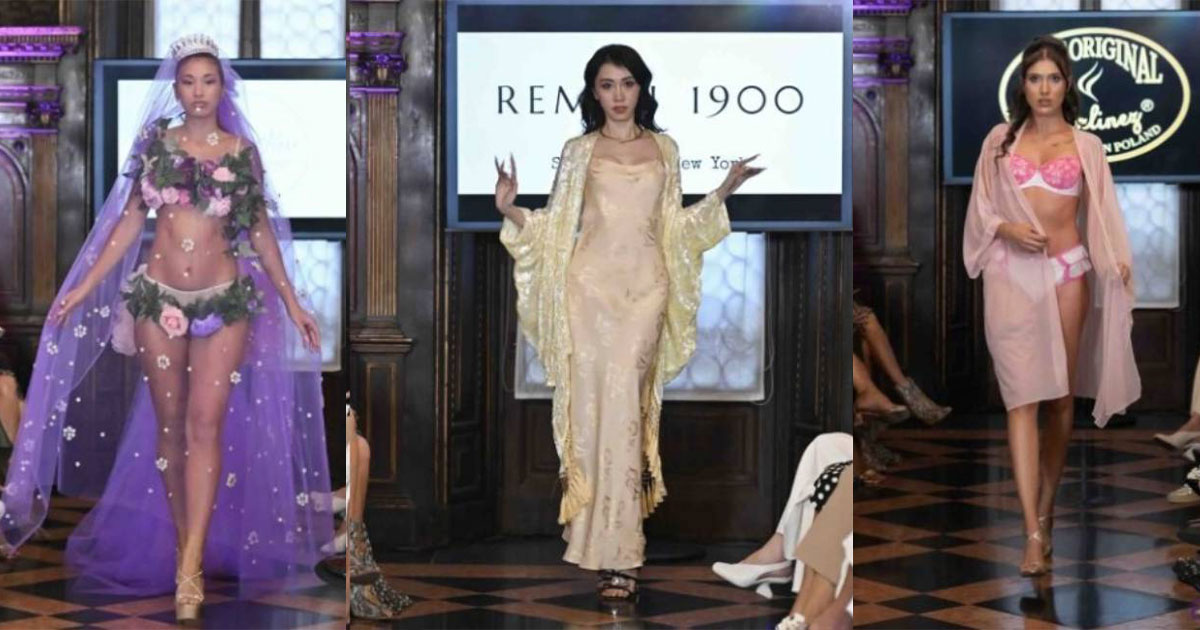
The rebirth of nightlife is not only economic but cultural. From the queer parties of Bushwick to the immersive sets of the Brooklyn Mirage, New York nights have become inclusive, experimental, and sensory. Every event is conceived as an experience: music, digital art, performance, and gastronomy coexist in fluid spaces where the line between club and art gallery dissolves. Even fashion has found a new language in the night. During New York Fashion Week, parties are no longer just parallel runways but extensions of a brand’s aesthetic message: freedom, fluidity, connection.
Some addresses capture this new era better than others. The Public Hotel on Chrystie Street, with its breathtaking view of Manhattan, has become a symbol of new urban glamour—international but never pretentious. Le Bain at The Standard Hotel, with its mirrored dance floor and panoramic tub, remains a ritual for those who want to feel part of the legend. And then there is Dumbo House, a creative sanctuary where nights turn into brainstorming sessions between music and art.
The real novelty, however, lies in what the night has come to mean for those who live it. After years of closures, distance, and silence, dancing together again has become an emotional act. New York has learned that its brilliance is not only made of lights and skylines, but of people who resist, reinvent, and connect.
Tonight, the city’s nightlife is the most beautiful metaphor for New York itself: fragile yet radiant, chaotic yet alive. You walk through the streets of the Lower East Side, hear a jazz trumpet drifting from a bar, someone laughing on the sidewalk, a taxi speeding by with music blasting—and you understand that New York has finally become itself again: imperfect, noisy, irresistible.
Ci sono città che vivono di giorno e città che appartengono alla notte. New York non è mai stata una delle prime.
Dopo la pandemia, la metropoli che “non dorme mai” sembrava aver perso un po’ del suo battito, ma oggi il cuore della nightlife newyorkese è tornato a pulsare più forte che mai, con un ritmo nuovo, più maturo e consapevole.
Fino a pochi anni fa, la nightlife di Manhattan era sinonimo di esclusività: liste interminabili, locali irraggiungibili, champagne eccessivo. Oggi la città ha riscoperto il valore dell’autenticità. Nei club di Brooklyn come il House of Yes o il Elsewhere, si balla per liberarsi, non per mostrarsi. Nei rooftop di Midtown, come il Harriet’s o il The Skylark, il lusso non è più ostentazione, ma esperienza condivisa. È una New York più umana, dove la musica torna ad essere linguaggio e la notte, uno spazio di espressione.
Come scrive il New York Times, “la nuova generazione non vuole apparire: vuole appartenere”.
La rinascita della nightlife non è solo economica, ma culturale. Dai party queer di Bushwick ai set immersivi del Brooklyn Mirage, la notte newyorkese si è fatta inclusiva, sperimentale, sensoriale. Ogni evento è pensato come un’esperienza: musica, arte digitale, performance e gastronomia convivono in spazi fluidi, dove il confine tra club e galleria d’arte si dissolve. Anche la moda ha trovato nella notte un nuovo linguaggio. Durante la New York Fashion Week, i party non sono più solo passerelle parallele, ma estensioni del messaggio estetico dei brand: libertà, fluidità, connessione.
Ci sono indirizzi che raccontano meglio di altri questa nuova era. Il Public Hotel di Chrystie Street, con la sua vista mozzafiato su Manhattan, è diventato il luogo simbolo del nuovo glamour urbano: internazionale, ma mai pretenzioso.
Il Le Bain al The Standard Hotel, con la sua pista a specchio e la vasca panoramica, continua a essere un rituale per chi ama sentirsi parte della leggenda. E poi c’è il Dumbo House, tempio dei creativi, dove le notti si trasformano in brainstorming tra musica e arte.
La vera novità, però, è il significato che la notte ha assunto per chi la vive. Dopo anni di chiusure, distanze e silenzi, tornare a ballare insieme è diventato un atto emotivo. New York ha imparato che il suo splendore non è fatto solo di luci e skyline, ma di persone che resistono, reinventano e si incontrano.
La notte, oggi, è la più bella metafora della città stessa: fragile e luminosa, caotica e viva. Cammini per le strade del Lower East Side, senti una tromba jazz uscire da un bar, qualcuno ride su un marciapiede, un taxi sfreccia con la musica alta. E capisci che New York è tornata a essere se stessa: imperfetta, rumorosa, irresistibile.