- English
- Italian
At the Assolombarda Conference Center, Women: Freedom Is Always in Fashion brought together survivors, activists, institutional representatives and figures from the fashion world. From captivity at the hands of Hamas and ISIS to testimonies from Iran and Afghanistan, four panels placed one word—too often taken for granted—at the center of the conversation: freedom.
MILAN – Outside, Milan was immersed in Fashion Week, with runway shows, events and carefully crafted images meant to be seen. Inside the Assolombarda Conference Center on September 25, the conversation was about women who, in different countries and circumstances, had been denied the right to make decisions about their own lives, pursue an education, dress freely or simply leave their homes.
That contrast was at the heart of Women: Freedom Is Always in Fashion, the conference organized by the Milton Friedman Institute during Milan Fashion Week. The event was structured around four panels focusing on women’s freedom, terrorism, security and the role fashion can also play in telling the story of emancipation.
More than the panel titles, however, it was the personal stories that gave the day its real meaning.
Ela Elyakim and Aviva Siegel: 51 Days in Captivity
Ela Elyakim was eight years old when she was kidnapped from Kibbutz Nahal Oz on October 7, 2023, along with her sister Dafna. An Israeli and Italian citizen, in Milan she spoke about the 51 days she spent in captivity, held in different homes and underground locations.
One of the most personal moments of her testimony came in conversation with journalist Hoara Borselli, who asked where she had found the strength to endure. Ela answered in just two words: “My sister.”
Today, she says she is doing better, although some images from those days remain with her. Also taking the stage was Aviva Siegel, who was kidnapped by Hamas together with her husband Keith on October 7 and held hostage for 51 days. She spoke about hunger, time spent underground and the control exercised by her captors.
She also remembered Ela, who had sat on her lap during captivity while, according to Siegel’s account, the kidnappers told the girls they would have no home to return to. Before speaking, Aviva and Ela embraced.
It was a simple gesture, but one of the most powerful moments of the day.
Fawzia Amin Sido: Ten Years Away from Her Family
Another testimony came from Fawzia Amin Sido, a Yazidi woman from Sinjar who was kidnapped by ISIS in 2014 when she was ten years old.
She described being separated from her brother and enduring years of violence and captivity. According to her account, she was transferred to Gaza in 2020 and forced under threat to marry a jihadist and have two children. After roughly ten years, she was freed and able to leave Gaza.
In Milan, she did not ask for pity. “I am not here to ask for your compassion. I am asking for humanity,” she said, expressing the most basic wish after a decade away from her family: to simply be a daughter again and embrace her mother.
Afghanistan: When Girls Are Denied an Education
From Afghanistan came the voice of Husna Jalal, founder of Women for Change International.
Jalal spoke about the restrictions imposed on Afghan women and, in particular, the exclusion of girls from education beyond the sixth grade. During her remarks, she described the situation as “gender apartheid” and warned European audiences about extremist ideologies spreading beyond national borders.
Her point was not only to describe what is happening in her country, but also to remind the audience that for many women, escaping does not necessarily mean finally feeling safe.
Elaheh Tavakolyan: Losing an Eye During the Iranian Protests
Iranian activist Elaheh Tavakolyan also spoke from the stage.
She began by raising her fist and asking the audience: “Do you see a terrorist?” She then recounted taking to the streets with her daughters during protests in Iran and being struck, losing an eye.
She explained that her decision to protest came above all from the desire to ensure that her daughters’ generation would not be forced to live under the same repression. In Milan, she reiterated that if she could go back, she would make the same choice again.
Different stories, from distant countries and very different circumstances, but connected by the same question: what does freedom really mean when the ability to choose can no longer be taken for granted?
Institutions and Politics Take the Stage
The event was opened by Dario Peirone, director general of the Milton Friedman Institute, followed by Mariofilippo Brambilla di Carpiano, president of the Italy-Iran Association.
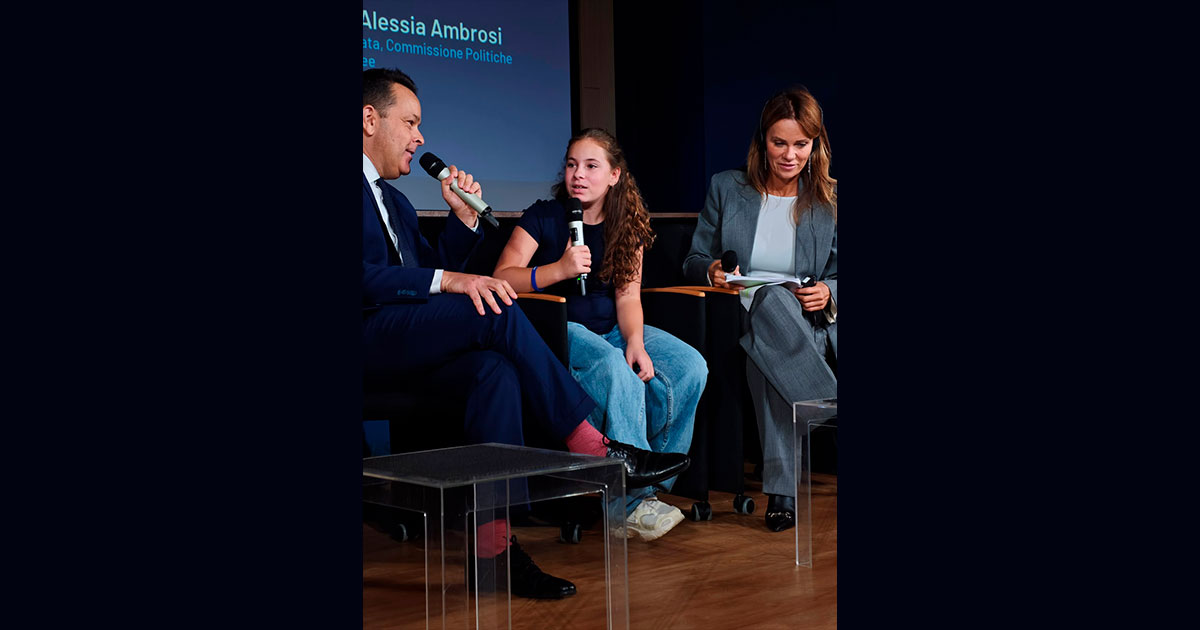
Speakers throughout the conference included Mariastella Gelmini, Elena Murelli, Alessia Ambrosi, Giulio Gallera, Sergio Gaddi, Marco Bestetti and Daniela Santanchè. Roberto Bagnasco, Andrea Orsini and Riccardo Truppo, representing the City of Milan, also spoke. Organizers also reported institutional greetings from government representatives, Milan Mayor Giuseppe Sala and Lombardy President Attilio Fontana. Markdown incollato
Bagnasco focused his remarks on Iran, arguing that the country’s future should be determined by its own people, while Orsini referred to the October 7 attacks. These were positions expressed by individual speakers within an event that took a strongly critical stance toward Hamas, ISIS, the Taliban and the Iranian regime.
Daniela Santanchè centered her remarks on women’s rights, describing the burqa as a “portable prison.” She identified several priorities: freedom of choice in clothing, fighting forced marriages and female genital mutilation, supporting those fleeing repression in Iran, holding accountable those who commit violence and involving the fashion world in giving visibility to women deprived of their rights.
At the end of her remarks, she embraced Ela Elyakim and Aviva Siegel.
October 7 and the Documentation of Sexual Violence
The second panel, moderated by Mediaset journalist Francesco Vecchi, focused on violence against women during the October 7 attacks and while hostages were held in captivity.
Among the speakers was Ruth Halperin-Kaddari, director of the Rackman Center at Bar-Ilan University and co-founder of the Dinah Project, who discussed efforts to document allegations of sexual violence committed on October 7 and during the captivity of hostages.
It was one of the most sensitive topics of the day, addressed through testimony and documentation work.
Security and Economic Independence
The third panel, Women and Security: Universal Rights, moderated by Emanuela Gentilin, shifted the focus to the relationship between security, autonomy and the practical ability to exercise one’s rights.
Senator Elena Murelli also emphasized women’s economic independence, while Manel Msalmi offered the perspective of European Muslims engaged in opposing Islamist extremism, calling for greater attention to radical networks and making her own assessments regarding organizations that, according to her remarks, support Hamas.
When Fashion Becomes Freedom of Choice
In the middle of Milan Fashion Week, the fourth panel inevitably brought the discussion back to clothing—but this time, not simply to talk about trends.
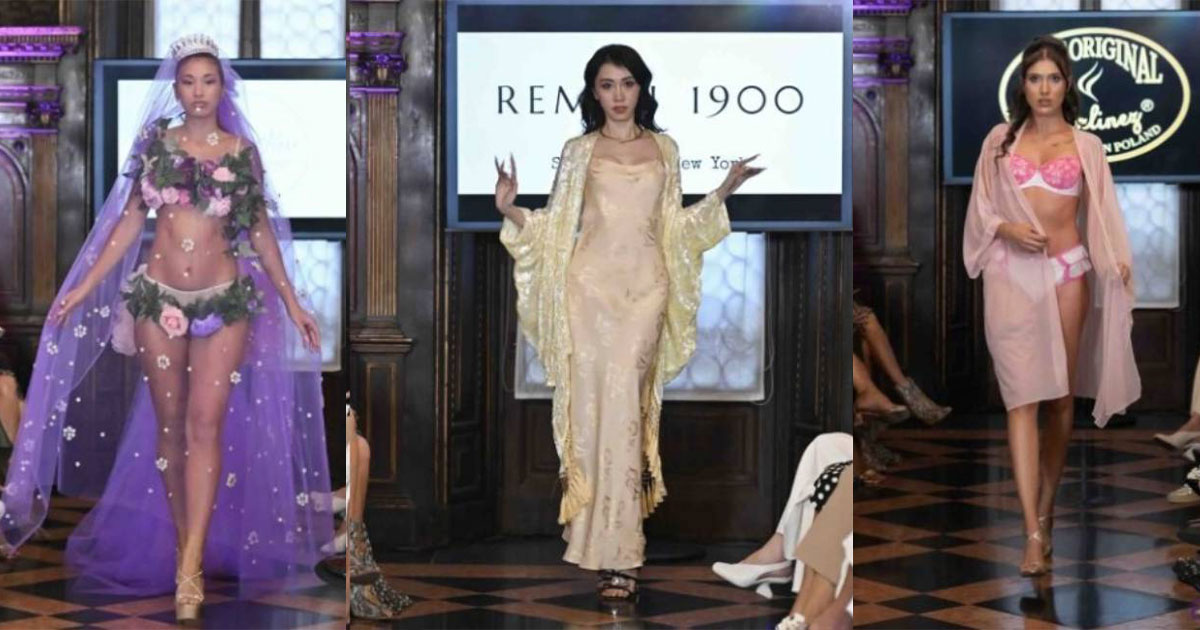
Moderated by journalist Barbara Politi, the discussion was preceded by a short runway presentation of the “Lux” line, connecting aesthetics with personal freedom and the ability to present oneself without being forced to hide.
Designer Chiara Boni described fashion as a “mirror of the times,” capable of reflecting social change and women’s emancipation.
Iranian-born model and actress Farnoush Hamidian brought the discussion back to the most ordinary gestures: being able to laugh in public, dance, feel the wind in your hair and, above all, freely choose who you want to be and how you want to live.
Perhaps this was where the connection with Fashion Week became most immediate.
Choosing a dress, showing your hair or deciding how to present your body may be ordinary acts in Milan, yet take on an entirely different meaning in countries where those same choices are restricted by law, political repression or social pressure.
A Day Also Defined by Human Connection
Alongside the official speeches, the conference also revealed a strong personal bond among some of the women present, particularly between the Israeli and Iranian witnesses. Organizers highlighted this closeness as one of the most meaningful aspects of the day.
The campaign promoted by the Milton Friedman Institute in Milan used the slogan “Hamas = ISIS = Taliban = Iranian regime.” This was the political interpretation advanced by the organizers and shared by several speakers in denouncing extremism and the repression of women; it does not amount to a legal or institutional classification of the four entities as identical.
In the end, however, what remains from the day goes beyond slogans and political debate.
What remains is a young woman saying she found her strength in her sister. A woman who, after ten years, wants to embrace her mother again. An Afghan activist reminding the audience what it means to grow up without being allowed to continue going to school. An Iranian mother who lost an eye and still stands by her decision to take to the streets.
And in the middle of a week when Milan is constantly talking about what we wear, for a few hours fashion became the starting point for talking about something that comes before any dress: the right to choose.
Al Centro Congressi Assolombarda, Donne: la libertà è sempre di moda ha riunito sopravvissute, attiviste, rappresentanti delle istituzioni e protagoniste della moda. Dalla prigionia di Hamas e dell’ISIS alle testimonianze dall’Iran e dall’Afghanistan, quattro panel hanno riportato al centro una parola spesso data per scontata: libertà.
MILANO – Fuori, Milano viveva i giorni della Fashion Week, tra passerelle, eventi e immagini costruite per essere viste. Dentro il Centro Congressi Assolombarda, il 25 settembre, si parlava invece di donne alle quali, in Paesi e circostanze diverse, è stato tolto il diritto di decidere della propria vita, studiare, vestirsi liberamente o semplicemente uscire di casa.
È stato questo il contrasto alla base di Donne: la libertà è sempre di moda, il convegno organizzato dall’Istituto Milton Friedman durante la Milano Fashion Week e articolato in quattro panel dedicati alla libertà femminile, al terrorismo, alla sicurezza e al ruolo che anche la moda può assumere nel racconto dell’emancipazione.
Più dei titoli dei panel, però, sono state soprattutto alcune storie personali a dare il senso della giornata.
Ela Elyakim e Aviva Siegel, 51 giorni di prigionia
Ela Elyakim aveva otto anni quando, il 7 ottobre 2023, fu rapita dal kibbutz di Nahal Oz insieme alla sorella Dafna. Cittadina israeliana e italiana, a Milano ha raccontato i 51 giorni trascorsi in prigionia, tra abitazioni e luoghi sotterranei.
A raccogliere uno dei momenti più personali della sua testimonianza è stata la giornalista Hoara Borselli, che le ha chiesto dove avesse trovato la forza per resistere. La risposta di Ela è arrivata in due parole: «Mia sorella».
Oggi dice di stare meglio, ma alcune immagini di quei giorni continuano ad accompagnarla.
Sul palco è intervenuta anche Aviva Siegel, rapita da Hamas insieme al marito Keith il 7 ottobre e rimasta ostaggio per 51 giorni. Ha raccontato la fame, il tempo trascorso sottoterra e il controllo esercitato dai carcerieri. Ha ricordato anche Ela, che durante la prigionia era stata sulle sue gambe mentre, secondo il suo racconto, i sequestratori dicevano alle bambine che non avrebbero avuto una casa alla quale tornare. Prima di intervenire, Aviva ed Ela si sono abbracciate.
Un gesto semplice, ma tra i più forti dell’intera giornata.
Fawzia Amin Sido, dieci anni lontano dalla famiglia
Un’altra testimonianza è arrivata da Fawzia Amin Sido, yazida originaria di Sinjar, rapita dall’ISIS nel 2014 quando aveva dieci anni.
Nel suo racconto ha ripercorso la separazione dal fratello e gli anni di violenze e prigionia. Ha riferito di essere stata trasferita a Gaza nel 2020 e costretta sotto minaccia a sposare un jihadista e ad avere due figli. Dopo circa dieci anni è stata liberata e ha potuto lasciare Gaza.
A Milano non ha chiesto pietà. «Non sono qui per chiedervi compassione, chiedo umanità», ha detto, riportando il desiderio più elementare dopo un decennio lontano dalla propria famiglia: poter tornare a essere una figlia e riabbracciare sua madre.
Afghanistan, quando alle ragazze viene tolta la scuola
Dall’Afghanistan è arrivata la voce di Husna Jalal, fondatrice di Women for Change International.
Jalal ha parlato delle restrizioni imposte alle donne afghane e, in particolare, dell’esclusione delle ragazze dall’istruzione oltre la sesta classe. Durante il suo intervento ha definito questa condizione un “apartheid di genere” e ha richiamato l’attenzione europea sulla diffusione delle ideologie estremiste oltre i confini nazionali.
Il punto del suo intervento non era soltanto raccontare ciò che accade nel suo Paese, ma ricordare che per molte donne fuggire non significa necessariamente sentirsi definitivamente al sicuro.
Elaheh Tavakolyan: un occhio perso durante le proteste iraniane
Dal palco ha parlato anche l’iraniana Elaheh Tavakolyan.
Ha iniziato alzando il pugno e rivolgendo una domanda al pubblico: «Vedete una terrorista?». Poi ha raccontato di essere scesa in strada insieme alle figlie durante le proteste in Iran e di essere stata colpita, perdendo un occhio.
La scelta di manifestare, ha spiegato, nasceva soprattutto dal desiderio che la generazione delle proprie figlie non fosse costretta a vivere la stessa repressione. A Milano ha ribadito che, potendo tornare indietro, prenderebbe nuovamente quella decisione.
Storie diverse, provenienti da Paesi e contesti lontani, ma attraversate dalla stessa domanda: cosa significa davvero parlare di libertà quando la possibilità di scegliere non è più qualcosa di scontato?
Istituzioni e politica sul palco
Ad aprire i lavori è stato Dario Peirone, direttore generale dell’Istituto Milton Friedman, seguito da Mariofilippo Brambilla di Carpiano, presidente dell’Associazione Italia-Iran.
Nel corso della convention sono intervenuti, tra gli altri, Mariastella Gelmini, Elena Murelli, Alessia Ambrosi, Giulio Gallera, Sergio Gaddi, Marco Bestetti e Daniela Santanchè. Hanno preso la parola anche Roberto Bagnasco, Andrea Orsini e, per il Comune di Milano, Riccardo Truppo. Gli organizzatori hanno inoltre riferito dell’arrivo di saluti istituzionali da rappresentanti del governo, dal sindaco di Milano Giuseppe Sala e dal presidente della Regione Lombardia Attilio Fontana.
Bagnasco ha dedicato il proprio intervento alla situazione iraniana, sostenendo che il futuro del Paese debba essere deciso dal suo popolo; Orsini ha invece richiamato gli attacchi del 7 ottobre. Si tratta di posizioni espresse dai singoli relatori all’interno di un evento con una marcata impostazione critica verso Hamas, l’ISIS, i talebani e il regime iraniano.
Daniela Santanchè ha concentrato il proprio intervento sui diritti delle donne, definendo il burqa una «prigione portatile». Ha indicato come priorità la libertà di scelta nell’abbigliamento, il contrasto ai matrimoni forzati e alle mutilazioni genitali femminili, il sostegno a chi fugge dalla repressione iraniana, la responsabilità di chi commette violenze e il coinvolgimento del mondo della moda nel dare visibilità alle donne private dei propri diritti.
Al termine del suo intervento ha abbracciato Ela Elyakim e Aviva Siegel.
Il 7 ottobre e la documentazione sulle violenze sessuali
Il secondo panel, moderato dal giornalista Mediaset Francesco Vecchi, è stato dedicato alla violenza contro le donne negli attacchi del 7 ottobre e durante la prigionia degli ostaggi.
Tra gli interventi quello di Ruth Halperin-Kaddari, direttrice del Rackman Center della Bar-Ilan University e cofondatrice del Dinah Project, che ha illustrato il lavoro di documentazione sulle accuse di violenze sessuali commesse il 7 ottobre e durante la detenzione di ostaggi.
Un tema particolarmente delicato, affrontato nel corso della giornata attraverso testimonianze e attività di raccolta documentale.
Sicurezza e indipendenza economica
Nel terzo panel, Donne e sicurezza: diritti universali, moderato da Emanuela Gentilin, il confronto si è spostato sulla relazione tra sicurezza, autonomia e possibilità concreta di esercitare i propri diritti.
La senatrice Elena Murelli ha sottolineato anche il tema dell’indipendenza economica femminile, mentre Manel Msalmi ha portato il punto di vista di musulmani europei impegnati contro l’estremismo islamista, chiedendo maggiore attenzione alle reti radicali e formulando proprie valutazioni su organizzazioni che, secondo il suo intervento, sostengono Hamas.
Quando la moda diventa libertà di scelta
Nel pieno della Milano Fashion Week, anche il quarto panel ha inevitabilmente riportato il discorso agli abiti. Ma questa volta non per parlare soltanto di tendenze.
Moderato dalla giornalista Barbara Politi, il confronto è stato preceduto da una breve sfilata della linea “Lux”. ANSA ha raccontato questa parte dell’evento come un passaggio dall’estetica alla libertà personale, attraverso il rapporto tra immagine, abiti e possibilità di mostrarsi senza doversi nascondere.
La stilista Chiara Boni ha definito la moda uno «specchio dei tempi», capace di accompagnare i cambiamenti sociali e l’emancipazione femminile.
La modella e attrice iraniana Farnoush Hamidian ha riportato il discorso ai gesti più quotidiani: poter ridere in pubblico, ballare, sentire i capelli al vento e soprattutto scegliere autonomamente cosa essere e come vivere.
Ed è forse qui che il legame con la Fashion Week ha trovato il suo significato più immediato.
Scegliere un vestito, mostrare i capelli o decidere come presentare il proprio corpo possono essere azioni ordinarie a Milano e assumere un valore completamente diverso in Paesi dove quelle stesse decisioni sono limitate dalla legge, dalla repressione politica o dalle imposizioni sociali.
Una giornata segnata anche dagli incontri
Accanto agli interventi ufficiali, il convegno ha mostrato una forte vicinanza personale tra alcune delle donne presenti, in particolare tra le testimoni israeliane e iraniane. Gli organizzatori hanno sottolineato questo aspetto come uno degli elementi più significativi della giornata.
La campagna promossa dall’Istituto Friedman a Milano utilizzava lo slogan “Hamas = ISIS = Talebani = regime iraniano”. Si tratta della lettura politica proposta dagli organizzatori e condivisa da diversi relatori nel denunciare l’estremismo e la repressione delle donne; non equivale a una classificazione giuridica o istituzionale dei quattro soggetti come identici tra loro.
Alla fine, però, ciò che rimane della giornata va oltre gli slogan e il confronto politico.
Rimangono una ragazza che racconta di avere trovato forza nella sorella. Una donna che dopo dieci anni vuole tornare ad abbracciare sua madre. Un’attivista afghana che ricorda cosa significhi crescere senza poter più andare a scuola. Una madre iraniana che ha perso un occhio e continua a rivendicare la scelta di essere scesa in strada.
E nel mezzo di una settimana in cui Milano parla continuamente di ciò che indossiamo, per alcune ore la moda è diventata il punto di partenza per parlare di qualcosa che viene prima di qualsiasi abito: il diritto di poter scegliere.