- English
- Italian

There is always a risk when a television format crosses borders and seasons: that of presenting itself as impeccable, polished, and yet already familiar. A well-mannered replica of itself. The first episode of the fourth season of The Voice Kids Italy instead took a less predictable direction, carefully avoiding the urge to show off.
The evening slipped by with a lightness rarely found in prime time.
It quite literally flew, without forced accelerations and without those suspended moments in which the distracted viewer ends up glancing at the clock. No lapses in attention, no fatigue disguised as emotion. A smoothness that comes from solid construction: balanced pacing, measured choices, and a direction that knows how to manage timing and is not afraid to leave space.
The core of the format remains recognizable, almost reassuring. But the Italian edition makes a quiet, decisive move: it gives up the temptation of showcasing the “child prodigy” and instead places at the center voices that are still in the making. Not miniature adults, not products ready for consumption, but vocal identities still searching for their own measure.
The direction works by subtraction, with a discipline that is rarely practiced today. No frantic editing, no emotional overlays suggesting what to feel and when. Performances are allowed to breathe, silences remain intact, and the orchestra accompanies without intruding. It is a television machine that moves calmly, without the need to get to the point immediately.
The coaches’ panel follows the same line of restraint. No competition over who occupies the center of the frame, no hunger for protagonism. Arisa listens before intervening, Loredana Bertè preserves instinct without turning it into excess, Nek surprises with his restraint at his debut, while Clementino and Rocco Hunt bring energy without bending the narrative into a sketch. The impression is clear: the program does not revolve around them.
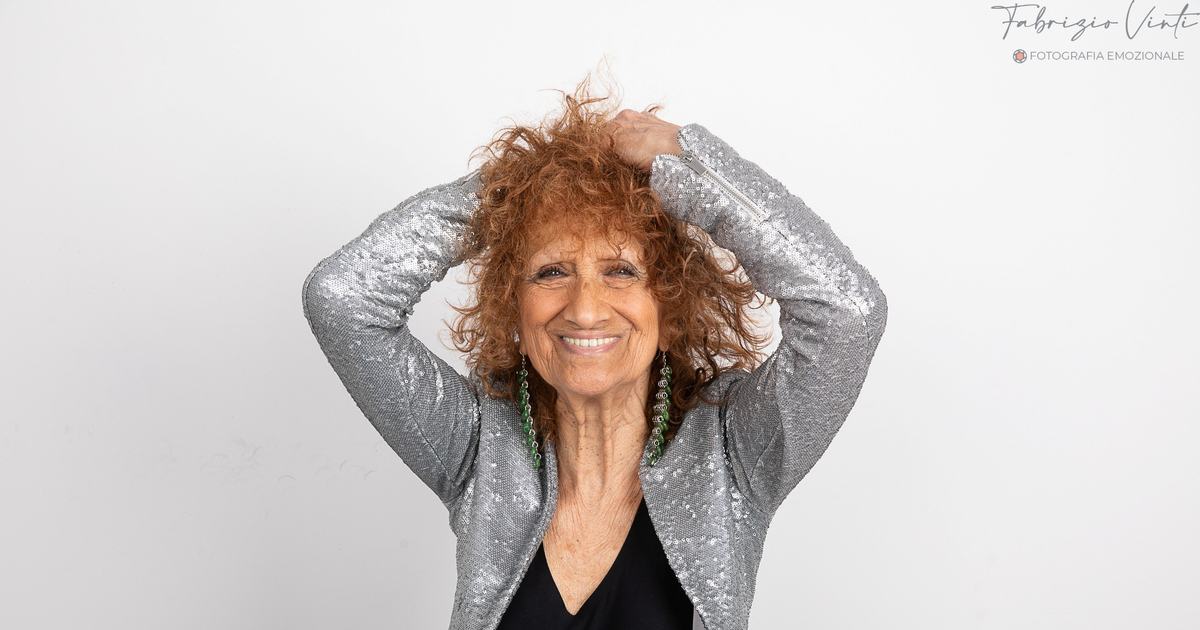
Holding everything together is a host who has no need to underline her presence. Antonella Clerici accompanies without overlapping, observes without translating, and lets the children occupy the space they deserve. She does not impose a tone; she allows it to emerge. And it is a quality that stands out precisely because it is never declared.
The comparison with international versions of the format makes this choice even more evident. In France and Germany, the emphasis often falls on immediate impact, on spectacular effect already during the Blind Auditions. Elsewhere, the construction of the young performer is quicker, more oriented toward stage performance. Italy, at least in this first episode, chooses a different trajectory: the voice as a progressive narrative, not as an instant demonstration.
It is perhaps the only talent show today in which the word “kids” is not a narrative device or an emotional shortcut, but a clearly respected ethical boundary.
A kind of television that lowers its tone, takes the time it needs, and does not ask the viewer to be moved on command, and that, precisely for this reason, manages to keep them there, awake, until the very last minute.
C’è sempre un rischio, quando un format televisivo attraversa confini e stagioni: quello di presentarsi impeccabile, levigato, eppure già visto. Una replica educata di se stesso. La prima puntata della quarta edizione di The Voice Kids Italy ha invece preso una direzione meno prevedibile, evitando accuratamente di mettersi in mostra.
La serata è scivolata via con una leggerezza rara per il prime time.
È volata, senza accelerazioni forzate e senza quei momenti sospesi in cui lo spettatore, distratto, finisce per cercare l’orologio. Nessun cedimento di attenzione, nessuna stanchezza mascherata da emozione. Una fluidità che nasce da una costruzione solida: ritmo equilibrato, scelte misurate, una regia che sa dosare i tempi e non teme di lasciare spazio.
Il meccanismo del format resta riconoscibile, quasi rassicurante. Ma l’edizione italiana compie un gesto silenzioso e decisivo: rinuncia alla tentazione del “piccolo prodigio” da esibire e preferisce mettere al centro voci ancora in divenire. Non miniature di adulti, non prodotti pronti per il consumo, ma identità vocali che stanno ancora cercando la propria misura.
La regia lavora per sottrazione, con una disciplina oggi poco praticata. Niente montaggi isterici, nessuna sovrastruttura emotiva a suggerire cosa provare e quando. Le esibizioni respirano, i silenzi restano intatti, l’orchestra accompagna senza invadere. È una macchina televisiva che procede con calma, senza la necessità di arrivare subito al punto.
Anche il banco dei coach segue la stessa linea di sobrietà. Nessuna gara a chi occupa il centro dell’inquadratura, nessuna smania di protagonismo. Arisa ascolta prima di intervenire, Loredana Bertè conserva l’istinto senza trasformarlo in eccesso, Nek sorprende per misura al debutto, mentre Clementino e Rocco Hunt portano energia senza piegare il racconto allo sketch. La sensazione è chiara: il programma non ruota intorno a loro.
A tenere insieme tutto c’è una conduzione che non ha bisogno di sottolinearsi. Antonella Clerici accompagna senza sovrapporsi, osserva senza tradurre, lascia che siano i ragazzi a occupare lo spazio che meritano. Non impone un tono: lo lascia emergere. Ed è una qualità che si nota proprio perché non viene dichiarata.
Il confronto con le versioni estere del format rende questa scelta ancora più evidente. In Francia e in Germania l’accento cade spesso sull’impatto immediato, sull’effetto spettacolare già dalle Blind Auditions. Altrove, la costruzione del giovane performer è più rapida, più orientata alla resa scenica. L’Italia, almeno in questa prima puntata, sceglie una traiettoria diversa: la voce come racconto progressivo, non come dimostrazione istantanea.
Ed è forse l’unico talent, oggi, in cui la parola “kids” non è un espediente narrativo né una scorciatoia emotiva, ma un confine etico chiaramente rispettato.
Una televisione che abbassa il tono, che si prende il tempo necessario e non chiede allo spettatore di commuoversi a comando e che, proprio per questo, riesce a tenerlo lì, sveglio, fino all’ultimo minuto.