

- English
- Italian
Former hostages, family members and first responders describe physical and psychological wounds that did not end with the return home. From captivity to the difficulty of speaking about sexual violence, the passage of time does not necessarily mean the trauma is over.
ROME — Coming home does not necessarily mean returning to the life you had before. Nearly three years after the Hamas-led attacks of October 7, 2023, for some survivors, release marked the beginning of another phase: rehabilitation, medical treatment, rebuilding their lives and learning to live with memories that continue to resurface.
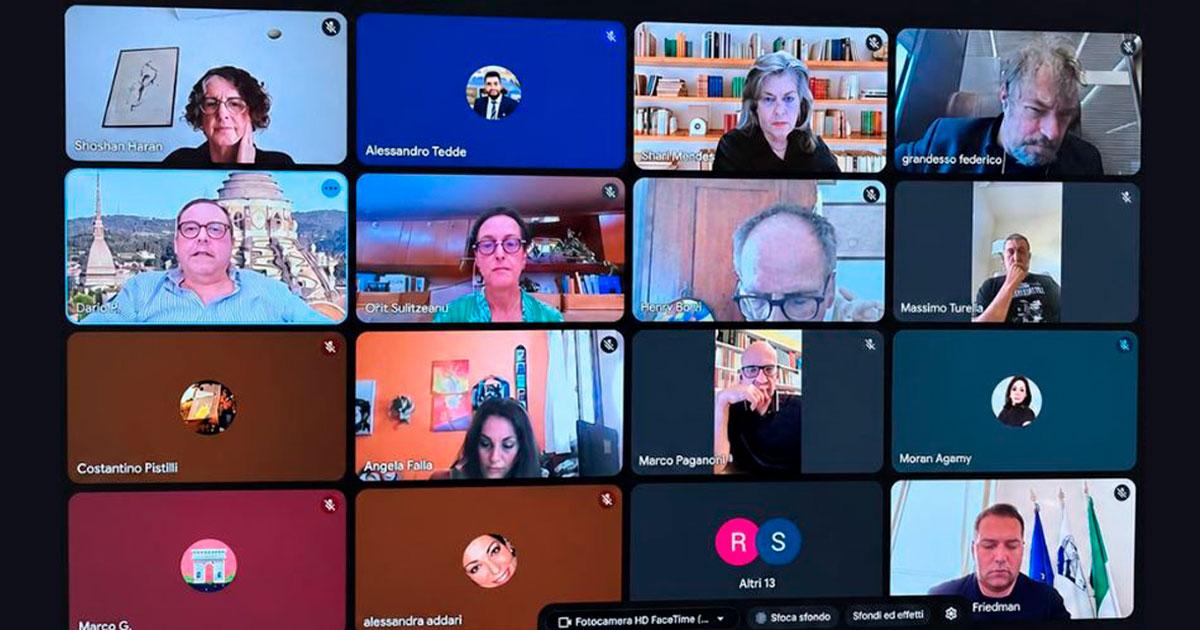
That was the common thread running through a webinar organized on September 17 by the Milton Friedman Institute, where former hostages, survivors, first responders and Israeli experts spoke to journalists about what happened — and, above all, about what remained afterward.
Among the stories shared was that of Ilana Gritzewsky, who was abducted from Kibbutz Nir Oz on October 7, 2023, together with her partner, Matan Zangauker. Gritzewsky was held hostage in Gaza for 55 days and released in late November 2023. Zangauker, however, did not return to Israel until October 13, 2025, after 738 days in captivity.
For Ilana, those two years meant that regaining her freedom did not allow her to close that chapter. While undergoing her own recovery, she continued publicly campaigning for the release of her partner and the remaining hostages. In 2026, she also spoke about having suffered sexual abuse during captivity and about choosing to tell her story despite how difficult it was to do so.
Her experience brings one of the most delicate questions to the forefront: what happens after survival?
The answer cannot be reduced to the word “release.” There are physical consequences, medical care and psychotherapy, but there is also an internal sense of time that does not necessarily move at the same pace as the calendar.
A different but equally complex dimension emerges from the story of Shoshan Haran, an agronomist and founder of Fair Planet, who was abducted from her home in Kibbutz Be’eri along with several members of her family. Haran was held hostage for 50 days together with her daughter and grandchildren. Her husband Avshalom, her sister Lilach, her brother-in-law Evyatar and other relatives were killed during the attacks.
During the webinar, she spoke in particular about the need to protect the children who were with her while having no information about the fate of other family members. The experience of an adult hostage thus becomes intertwined with that of the youngest victims: children forced to endure a reality that, by definition, should never belong to childhood.
But the trauma of October 7 does not affect only those who were abducted.
Simcha Greiniman, a ZAKA volunteer for more than 30 years, took part in the recovery and identification of bodies following the attacks. In January 2026, he described coordinating weeks of field operations in southern Israel. ZAKA itself continues to provide psychological support programs for volunteers who participated in those efforts.
It is another kind of wound: the wound carried by those who arrive afterward.
Those who recover bodies, identify remains or enter places where families had been living only hours earlier are not simply technical personnel at the scene of a tragedy. First responders, too, can carry what they witnessed with them for years.
The webinar also addressed sexual violence, with remarks from Orit Sulitzeanu, CEO of the Association of Rape Crisis Centers in Israel, who discussed how long and difficult it can be for survivors to speak about abuse.
The issue has also been examined independently by the United Nations. A 2024 mission led by UN Special Representative Pramila Patten concluded that there were “reasonable grounds to believe” that sexual violence occurred in multiple locations during the October 7 attacks and found “clear and convincing information” that some hostages had been subjected to forms of sexual violence while in captivity. The mission also stressed that it could not determine the overall prevalence of such violence and called for further investigation.
That distinction matters, particularly when personal testimony becomes part of journalism and the historical record: listening to survivors does not mean abandoning verification, just as the need for verification should not become indifference toward those who choose to speak.
On October 7, 2023, Hamas-led attacks in southern Israel killed about 1,200 people and resulted in the abduction of 251 hostages, according to Israeli figures cited by Reuters. The attack was followed by a war that, in turn, has brought an immense scale of death, destruction and suffering to the Gaza Strip.
Three years later, however, political time and human time continue to move at different speeds.
Agreements can secure the release of a hostage. A war can enter a new phase. A story can disappear from the front pages.
Trauma, however, does not necessarily come with an expiration date.
That is perhaps the clearest element to emerge from the testimonies heard on September 17: behind the numbers, negotiations and geopolitical divisions are people who have been asked to rebuild their lives while a part of them remains anchored to that day.
The discussion promoted by the Milton Friedman Institute will continue on September 25 in Milan with the event “Women: Freedom Is Always in Fashion,” dedicated to the experiences of women who have lived through violence, terrorism and the loss of freedom.
Ex ostaggi, familiari e soccorritori raccontano ferite fisiche e psicologiche che non si sono chiuse con il ritorno a casa. Dalla prigionia alla difficoltà di raccontare le violenze, il tempo trascorso non coincide necessariamente con la fine del trauma.
ROMA – Tornare a casa non significa necessariamente essere tornati alla vita di prima. A quasi tre anni dagli attacchi guidati da Hamas del 7 ottobre 2023, per alcuni sopravvissuti la liberazione ha rappresentato l’inizio di un’altra fase: quella della riabilitazione, delle cure, della ricostruzione personale e della convivenza con ricordi che continuano a riaffiorare.
È questo il filo che ha attraversato il webinar organizzato il 17 settembre dal Milton Friedman Institute, durante il quale ex ostaggi, sopravvissuti, soccorritori ed esperti israeliani hanno raccontato ai giornalisti ciò che è accaduto e, soprattutto, ciò che è rimasto dopo.
Tra le storie emerse c’è quella di Ilana Gritzewsky, rapita il 7 ottobre 2023 dal kibbutz Nir Oz insieme al compagno Matan Zangauker. Gritzewsky è rimasta ostaggio a Gaza per 55 giorni ed è stata liberata alla fine di novembre 2023; Zangauker, invece, è tornato in Israele soltanto il 13 ottobre 2025, dopo 738 giorni di prigionia.
Due anni durante i quali, per Ilana, il ritorno alla libertà non ha significato poter chiudere quella storia. Mentre affrontava il proprio percorso di recupero, ha continuato pubblicamente a chiedere la liberazione del compagno e degli altri ostaggi. Nel 2026 ha inoltre raccontato di aver subito abusi sessuali durante la prigionia e di aver scelto di parlarne nonostante la difficoltà di farlo.
La sua esperienza porta al centro una delle questioni più delicate: che cosa accade dopo la sopravvivenza?
La risposta non si esaurisce nella parola “liberazione”. Ci sono le conseguenze fisiche, la necessità di cure, la psicoterapia, ma anche un tempo interiore che non coincide necessariamente con quello segnato dal calendario.
Una dimensione diversa, ma altrettanto complessa, emerge dalla storia di Shoshan Haran, agronoma e fondatrice di Fair Planet, sequestrata dalla propria casa nel kibbutz Be’eri insieme a diversi membri della famiglia. Haran rimase ostaggio per 50 giorni insieme alla figlia e ai nipoti. Suo marito Avshalom, la sorella Lilach, il cognato Evyatar e altri familiari furono uccisi durante gli attacchi.
Durante l’incontro ha raccontato soprattutto la necessità di proteggere i bambini con cui si trovava, mentre mancavano informazioni sulla sorte degli altri familiari. Il racconto dell’ostaggio adulto si intreccia così con quello dei più piccoli: bambini costretti a vivere una realtà che, per definizione, non dovrebbe appartenere all’infanzia.
Ma il trauma del 7 ottobre non riguarda soltanto chi è stato sequestrato.
Simcha Greiniman, volontario di ZAKA da oltre trent’anni, ha lavorato nelle operazioni di recupero e identificazione dei corpi dopo gli attacchi. Nel gennaio 2026 ha raccontato di aver coordinato settimane di attività sul campo nel sud di Israele; la stessa organizzazione ZAKA descrive ancora oggi programmi di sostegno psicologico destinati ai volontari che hanno partecipato a quelle operazioni.
È un altro tipo di ferita: quella di chi arriva dopo.
Chi recupera un corpo, identifica dei resti o entra in luoghi in cui poche ore prima vivevano famiglie non è una semplice presenza tecnica sulla scena di una tragedia. Anche i soccorritori possono portare con sé per anni ciò che hanno visto.
Il webinar ha affrontato anche il tema delle violenze sessuali, con l’intervento di Orit Sulitzeanu, alla guida dell’Association of Rape Crisis Centers in Israel, e il problema della difficoltà e dei tempi con cui le vittime riescono a raccontare un abuso.
Su questo tema esiste anche una valutazione indipendente delle Nazioni Unite. La missione guidata nel 2024 dalla rappresentante speciale ONU Pramila Patten concluse che vi erano «ragionevoli motivi» per ritenere che durante gli attacchi del 7 ottobre si fossero verificate violenze sessuali in più luoghi e rilevò informazioni «chiare e convincenti» secondo cui alcuni ostaggi erano stati sottoposti a forme di violenza sessuale durante la prigionia. La stessa missione precisò però di non essere stata in grado di stabilirne la prevalenza complessiva e indicò la necessità di ulteriori indagini.
È una precisazione importante, soprattutto quando la testimonianza personale entra nel territorio della cronaca e della ricostruzione storica: ascoltare le vittime non significa rinunciare alla verifica, così come la necessità di verificare non dovrebbe trasformarsi nell’indifferenza verso chi decide di raccontare.
Il 7 ottobre 2023 gli attacchi guidati da Hamas contro il sud di Israele provocarono circa 1.200 morti e il rapimento di 251 persone, secondo i dati israeliani citati da Reuters. Quell’attacco ha poi aperto una guerra che ha prodotto a sua volta un’enorme quantità di morte, distruzione e sofferenza nella Striscia di Gaza.
Tre anni dopo, il tempo politico e quello umano continuano però a muoversi a velocità differenti.
Gli accordi possono liberare un ostaggio. Una guerra può cambiare fase. Una notizia può scomparire dalle prime pagine.
Il trauma, invece, non conosce necessariamente una data di fine.
E’ questo l’elemento che resta più chiaramente dalle testimonianze ascoltate il 17 settembre: dietro le cifre, le trattative e le contrapposizioni geopolitiche esistono persone alle quali è stato chiesto di ricominciare mentre una parte della loro vita è rimasta ferma a quella giornata.
Il confronto promosso dal Milton Friedman Institute proseguirà il 25 settembre a Milano con l’incontro “Donne: la libertà è sempre di moda”, dedicato alle testimonianze di donne che hanno vissuto violenza, terrorismo e privazione della libertà.